




What is Acne?
Acne is a skin condition that occurs when the hair follicles become plugged with oil and dead skin cells. Acne most commonly appears on the face, neck, chest, back and shoulders.
Signs & Symptoms
Blackheads, pimples, whiteheads and pus-filled cysts form on the face, shoulders, upper back and chest, which becomes sore andinflamed. The affected skin is greasy or oily.
Complications
Scarring is a common complication of acne.
What Causes Acne?
During puberty, a natural increase in hormone production occurs, which stimulates the over- production of sebum (an oily substance which protects the skin). This in turn leads to clogged pores. People with an oily skin, or who consume junk food like chocolates and deep fried foods, are prone to acne. Stress can aggravate acne, but does not usually cause it.
The Tibb View on Acne
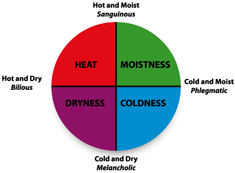
According to Tibb, acne results from excessive heat in the body. During adolescence a lot of heat is produced in the body, as this is a period of increased growth. This growth also leads to the increased production of hormones which causes more oil to be produced by the skin and can cause acne. A lifestyle that increases heat, from poor diet and increase stress, will further contribute to the development of acne. While most teenagers may suffer from mild to moderate acne individuals with a dominant/sub-dominant sanguinous temperament will be more at risk.
Treatment and Management of Acne
Treatment and management is aimed at reducing the excess heat associated with acne, by implementing Tibb Lifestyle Factors that increases the quality of coldness. This assists Physis in addressing both the symptoms, and the causes of acne.
Other Lifestyle Advice
Herbal Remedy
What is Ammenorrhoea?
Amenorrhoea is the absence of menstruation for more than 3 menstrual periods, or menstruation that has not yet begun in girls older than 16 years.
What causes ammenorrhoea?
There are numerous causes of amenorrhoea. Natural causes include pregnancy, breastfeeding and menopause. Women taking the contraceptive pill may also experience amenorrhoea. Certain medications, such as antipsychotics, antidepressants, chemotherapy and blood pressure lowering medication may cause amenorrhoea as a side effect. Lifestyle factors include high stress levels and excessive exercise. Hormonal imbalances from polycystic ovaries, premature menopause, tumours and thyroid disease can also lead to amenorrhoea. Structural abnormalities may prevent menstrual bleeding. These include uterine scarring, which may block the production of uterine lining, absent / underdeveloped reproductive organs, an obstruction of the vagina.
The Tibb View of Amenorrhoea
According to Tibb, these conditions are associated with excessive qualities of coldness generally throughout the body, specifically affecting the brain, pituitary gland, ovaries, uterus and thyroid gland. Amenorrhoea may either be linked to qualities of coldness with moistness which arises due to excessive intake of cold and moist foods, dairy and refined sugar products and a sedentary lifestyle. Amenorrhoea linked to coldness with dryness can result from excessive dieting, excessive weight loss and over-exercising. Phlegmatic/Melancholic temperamental combinations are most predisposed to developing ammenorrhoea due to their innate coldness.
Treatment and Management of menstrual disorders
Treatment and management is aimed at reducing the excess coldness associated with amenorrhoea, by implementing Tibb Lifestyle Factors that will increase the quality of heat.This will assists Physis in addressing both the symptoms and the causes of amenorrhoea.
Tibb Lifestyle Factors
Food and Drink
Other Lifestyle Advice
Herbal Remedies
What is Asthma?
Asthma is a condition of the lungs that causes the bronchi (airways) to narrow. The airways are tubes that carry air into and out of the lungs. When the airways narrow, less air can flow into the lungs. This results when the airways are obstructed with phlegm, inflamed with heat or become hard and brittle with coldness with dryness. For the lungs to function well, a balance of heat, moistness and dryness needs to be maintained. If not breathing difficulties arise. Asthma may affect all age groups, except newborn babies, and typically develops during early childhood. An asthma attack can be fatal if not treated appropriately. One long term complications of asthma is permanent narrowing of the airways.
Types of Asthma
Tibb has identified 3 main types of asthma:
Allergic Asthma
Signs and Symptoms
Breathing difficulties; itchy and red watery eyes; allergic rhinitis with post-nasal drip.
What Causes Allergic Asthma?
Allergic asthma is caused by an irritation of the mucous membrane by airborne toxins.
The Tibb View on Allergic Asthma
According to Tibb, this condition is linked to excessive heatwith either moistness or dryness. This excessive heat results in the hyper-sensitization of the immune system which causes inflammation of the mucous membrane when exposed to certain airborne stimuli. Individuals with a bilious/sanguinous temperament are more inclined to develop allergic asthma, due to the dominance of heat associated with this temperamental combination.
Treatment and Management of Allergic Asthma
Treatment and management is aimed at reducing the excess heat associated with allergic asthma by implementing Tibb Lifestyle Factors that will increase the qualities of coldness. This will assist Physis in addressing both the symptoms and the causes of allergic asthma.
Tibb Lifestyle Factors
Food and Drink
Herbal Remedies
Note: do not discontinue the use of conventional medication, without consulting your practitioner.
Phlegmatic Asthma
Signs and Symptoms
Coughing; wheezing; a feeling of tightness in the chest; difficulty in breathing.
What Causes Phlegmatic Asthma?
Risk factors for the development of phlegmatic asthma includes genetic factors or a phlegmatic dominant or sub-dominant temperament, having a low birth weight, respiratory infections, and exposure to cold air.
The Tibb View on Phlegmatic Asthma
According to Tibb, phlegmatic asthma is associated with excessive coldness with moistness resulting from an accumulation of phlegm that may be thick and/or sweet. Symptoms often worsen in cold conditions. Children are more likely to develop phlegmatic asthma as well as people with phlegmatic dominant or sub-dominant temperaments due to the innate coldness and moistness linked to these individuals.
Treatment and Management of Phlegmatic Asthma
Treatment and management is aimed at reducing the excess coldness with moistness associated with phlegmatic asthma by implementing Tibb Lifestyle Factors that will increase the qualities of heat and dryness. This will assist Physis in addressing both the symptoms and the causes of phlegmatic asthma.
Tibb Lifestyle Factors
Food and Drink
Other Lifestyle Factors
Herbal Remedy
Note: do not discontinue the use of conventional medication, without consulting your practitioner.
Melancholic Asthma
Signs and Symptoms
Marked breathing difficulty; mucus or phlegm expectorant is absent; coughing is rare.
What Causes Melancholic Asthma?
Genetic factors; or a melancholic dominant/sub-dominant temperament; certain medication; smoking and exposure to cold air.
The Tibb View on Melancholic Asthma
According to Tibb, melancholic asthma occurs from excessivecoldness with dryness causing the bronchi to become thick and hard. Melancholic asthma may result from chronic phlegmatic asthma or as a result of the use of certain medications and smoking, both of which causes phlegm to harden. A person with a dominant/sub-dominant melancholic temperament is more inclined to develop melancholic asthma.
Treatment and Management of Melancholic Asthma
Treatment and management is aimed at reducing the excess coldness with dryness associated with melancholic asthma by implementing Tibb Lifestyle Factors that will increase the qualities of heat and moistness. This will assist Physis in addressing both the symptoms and the causes of melancholic asthma.
Tibb Lifestyle Factors
Food and Drink
Other Lifestyle Factors
Herbal Remedy
Note: do not discontinue the use of conventional medication, without consulting your practitioner.
What is backache?
Back pain is a common problem that affects most people at some point in their life. Backache describes pain experienced in the lower back or lumber region that can feel like an ache, tension or stiffness. Pain in the lower back is referred to as lumbago. The pain can be acute, occurring suddenly and of severe intensity, or chronic (lasts for more than 3 months).
Signs and Symptoms
Muscle pain in the lower back, which can radiate into the backside and back of the legs; shooting or stabbing pain; muscle tension in the lower back, resulting in the feeling of stiffness; limited flexibility and range of motion of the back especially when leaning forward and bending back; pain is worse on movement; severe backache may cause the back to tilt to one side, causing a limp or a change in posture.
Causes and Risk Factors
There are multiple causes of backache including: muscle or ligament strain which results from incorrect lifting of heavy objects; from arthritis which causes the joint spaces to narrow; from osteoporosis, which results in brittle and porous bones; and also direct exposure to cold. Historically, people wore vests to keep the back warm and dry. In today’s times the lower back area is very often exposed. When we perspire, the evaporation of the sweat brings about coldness which reduces the blood flow to the lower back, so leading to backache.
The Tibb View of Backache
According to Tibb, backache is associated with qualities of coldness with dryness. The reduced heat and decreased blood supply can lead to chronic inflammation and chronic backache. Although persons with a melancholic dominant/sub-dominant temperament are predisposed to backache, other temperamental types are also at risk from lack of exercise and being overweight.
Treatment and Management of backache
Treatment and management is aimed at reducing excess coldness associated with backache, by implementing Tibb Lifestyle Factors that increase the qualities of heat. This will assist Physis in addressing both the symptoms and causes of backache.
Tibb Lifestyle Factors
Food and Drink
Other Lifestyle Advice
Herbal remedies
What are Boils?
Boils, or furuncles, are painful pus-filled bumps that form under the skin when bacteria infect and inflame one or more of the hair follicles.
Signs & Symptoms
A small hard swelling (abscess) containing pus forms on the face, neck, scalp, armpit or buttock. The swelling becomes itchy, painful to the touch, and inflamed. Swellings become visible on the lymph nodes on the neck, or in the armpit or groin.
Complications
The main complication associated with boils is tissue scarring. However, if they are not treated properly the infection can spread to other areas of the skin, as well as into the blood stream. In this case there may be serious consequences.
What Causes Boils?
Boils are caused by blockage of the skin pores or deep in the hair follicles, usually due to poor hygienic habits. This provides a welcomed environment for bacteria, Staphylococcus aureus, to thrive, invade tissues and cause infections. Risk factors for the development of boils include chronic illness conditions and compromised immunity as in diabetes. This makes it more difficult for the body to fight infection, making it susceptible to developing boils.
Stress – increases heat in the body and this can increase the risk of developing boils.
The Tibb View on Boils
According to Tibb, boils are associated with qualities of excessive heat which makes the skin susceptible to infection and results in painful inflammation. Boils are more common in individuals with a sanguinous/bilious temperamental combination, where the quality of heat is dominant.
Treatment and Management of Boils
Treatment and management is aimed at reducing the excess heat associated with boils, by implementing Tibb Lifestyle Factors that increase the quality of coldness. This assists Physis in addressing both the symptoms and the causes of boils.
Tibb Lifestyle Factors
Food and Drink
Other Lifestyle Advice
Herbal Remedies
What is BPH?
BPH, also known as an enlarged prostate, is a common complaint amongst men over fifty. The middle section of the gland enlarges, partially blocking the flow of urine through the urethra.
Signs and Symptoms
Increased frequency of urination, usually first noted at night (nocturia); difficulty in urination; dribble or overflow incontinence; inflammation of the urethra and bladder due to stagnant urine; aching and burning feeling on urination and complications such as malaise and even mental disorders.
What Causes BPH?
In most men, the prostate continues to grow throughout life. The exact cause of this is unknown; however it may be due to changes in the balance of sex hormones.
The Tibb View of BPH
According to Tibb, BPH is due to excessive moistness with cold. This excessive moistness results from an improper diet which is rich in carbohydrates, refined sugar and cold and moist foods. With age, the metabolism slows down resulting in insufficient heat to process moist foods. Although sanguinous/phlegmatic temperamental types are more at risk other temperaments can also be affected from poor lifestyle.
Management of BPH
Treatment and management is aimed at reducing excess moistness with coldness, associated with BPH, by implementing Tibb Lifestyle Factors that will increase the qualities of heat and dryness. This will assist Physis in addressing both the symptoms and the causes of benign BPH.
Tibb Lifestyle Factors
Food and Drink
Other Lifestyle Advice
Herbal Remedy
What is bronchitis?
Bronchitis is inflammation of the lining of the bronchial tubes or airways, which carry air to and from the lungs. Bronchitis may be either acute or chronic.
Signs and Symptoms
Painful coughing and wheezing; throat and chest pains; feeling feverish and generally unwell; poor concentration; excessive production of thick, sticky and/or pus-containing sputum; difficulty in breathing or breathlessness which interferes with daily activities.
Although a single episode of bronchitis usually isn’t cause for concern, it can lead to pneumonia in some people.
What Causes Bronchitis?
Inflammation due to infection or irritation of the airways is the underlying cause. Risk factors include: cigarette smoking which dries and irritates the airways; exposure to air pollution, such as dust; and sudden changes in temperature such as moving from a hot environment to a cold one.
The Tibb View on Bronchitis
According to Tibb, bronchitis is associated with qualities of dryness, either with heat or coldness. This results in painful inflammation and constriction of the airways. Individuals with a bilious/melancholic temperamental combination are more susceptible to developing bronchitis, due to their dominance of dryness.
Management of Bronchitis
Treatment and management is aimed at reducing the excess dryness associated with bronchitis, by implementing Tibb Lifestyle Factors that will increase the qualities of moistness. Treatment and management for bronchitis includes getting adequate rest, breathing in moist air and keeping hydrated. This assists Physis in addressing both the symptoms and the causes of bronchitis.
Tibb Lifestyle Factors
Food and Drink
Other Lifestyle Advice
Herbal Remedy
What is Chronic Fatigue?
This is a common, almost constant state of weariness that develops over time. It diminishes energy levels and mental capacity. Chronic fatigue has a major impact on a person’s emotional and psychological well-being.
Signs and Symptoms
Unusual physical or mental tiredness following intense activity; deep tiredness lasting through the day; difficulty in concentrating. This form of fatigue can last anything from a few days to several weeks.
What Causes Chronic Fatigue?
Fatigue is attributed to a number of causes, including lifestyle factors, medical and psychological conditions.
Risk factors include over-exerting the skeletal muscles and the consumption of inadequate or poor quality food. It is also a common side effect of a weight-reduction diet, from too-frequent skipping of meals, or from eating regularly ‘on the hoof’; Certain medical conditions such as thyroid problems, anaemia, cancer, heart disease, depression, obesity and asthma often include fatigue as a symptom.
The Tibb View on Chronic Fatigue
According to Tibb, fatigue is associated with qualities of cold and moistness, which slows bodily processes by dampening the heat of metabolism. This leaves the person affected feeling tired and sluggish. Fatigue is aggravated by a lifestyle that increases qualities of cold and moistness in the body.
As there are numerous causes of chronic fatigue, both mental and emotional, all temperamental types are at risk of chronic fatigue.
Treatment and Management of Chronic Fatigue
Treatment and management is aimed at reducing the excess cold/moistness associated with fatigue, by implementing Tibb Lifestyle Factors that increase the qualities of heat and dryness. Treatment and management of fatigue often includes rectifying the underlying condition or faulty Lifestyle Factor. A balanced diet and regular exercise is also recommended. This assists Physis, in addressing both the symptoms and the causes of chronic fatigue.
Tibb Lifestyle Factors
Food and Drink
Other Lifestyle Advice
Herbal Remedies
What is a cold?
Common Cold (Coryza) is an acute condition that affects only the upper respiratory tract (mainly the nose). It is the most common respiratory disorder in many parts of the world.
Signs and Symptoms of a Cold
Runny nose (with clear mucus); blocked nose; sneezing; sore throat; watery eyes; coughing; headache (sometimes); and slight fever (sometimes).
What is the Flu?
Flu (Influenza) is also an acute and contagious condition that affects the respiratory system. It is often confused with the common cold, but flu is much more severe. Flu usually lasts for four to five days, but the complications can be longer lasting and more serious, especially with lung infections such as bronchitis and pneumonia.
Signs and Symptoms of Flu
Fever and extreme coldness (chills/shivering/shaking); body aches (especially joints and throat); nasal congestion (with yellow – green mucus); runny nose; coughing; headaches; fatigue; irritated, watery eyes; and diarrhea (usually in children).
What Causes Colds and Flu?
The common cold and flu are due to infection from certain viruses.
Risk factors include exposure to cold and rainy weather, and an immature immune system, especially in children.
The Tibb View on Colds and Flu
According to Tibb, colds and flu are associated with coldness with moistness as they typically develop in cold months of the year. Symptomatically colds and flu presents with excessive mucous production such as a runny or congested nose, and productive coughing. Due to the weakened immune system, Physis is unable to prevent the virus infection, but actively fights it in order to restore the body back to health within 4 days (for a cold) or 21 days (for the flu). Although all temperamental types can be affected with colds and flu, people with a phlegmatic dominant/sub-dominant temperament are more at risk due to their innate qualities of coldness and moistness.
Treatment and Management of Colds and Flu
Treatment and management is aimed at reducing the excess coldness with moistness associated with colds and flu, by implementing Tibb Lifestyle Factors that will increase the qualities of heat and dryness. This assists Physis in addressing both the symptoms and the causes of colds and flu.
Tibb Lifestyle Factors
Food and Drink
Other Lifestyle Advice
Herbal Remedies
What is constipation?
Constipation is infrequent bowel movements or difficult passage of stools that persists for several weeks or longer.
Signs and Symptoms
Bowel movements are less frequent than usual (fewer than three times a week); passing the stool is difficult, painful, takes a long time, and feels incomplete; the faeces are like pellets – small, dry and hard, and often very dark brown in colour; the abdomen may feel swollen and uncomfortable; if constipation has been present for some time, there may be bleeding during defaecation. Constipation can result in the development of piles (haemorrhoids) or tears in the anus (anal fissures).
What Causes Constipation?
Constipation most commonly occurs when waste or stool moves too slowly through the digestive tract. This is due to a lack of heat and moistness, causing the waste to become hard and dry.
Risk factors includes poor eating habits, especially where there is not enough fibre (roughage) which is present in vegetables and fruit; and not drinking enough water. A lack of exercise may make constipation worse. Bad bowel habits, such as ignoring the call of nature can lead to constipation. The repeated use of certain medications like some painkillers, antacids, anti-allergy drugs can also lead to constipation.
The Tibb View on Constipation
According to Tibb, constipation is associated with qualities ofcoldness with dryness due to an improper lifestyle. Included in this is an excessive intake of cold and dry foods which results in stool moving slowly through the digestive tract, causing dry and hard stools. Although people with a melancholic dominant/sub-dominant temperament are mostly likely to develop constipation due to their innate qualities of coldness and dryness, other temperamental types can also suffer from constipation from a faulty diet and other lifestyle factors.
Management of Constipation
Treatment and management is aimed at reducing excess coldness with dryness associated with constipation, by implementing Tibb Lifestyle Factors that will increase the qualities of heat and moistness. This will assist Physis in addressing both the symptoms and the causes of constipation.
Tibb Lifestyle Factors
Food and Drink
Other Lifestyle Advice
Herbal Remedies
What is the reason for coughing?
Coughing protects the airways from irritants which can cause inflammation. However, too much coughing can damage the breathing passages, and make sleep and daily activities difficult.
Types of Coughing
There are two main types of coughing:
What Causes Coughing?
Coughing is the body’s way of removing foreign material or excess mucus from the lungs and upper airway passages. This occurs due to sudden exposure to a cold environment resulting in irritation and inflammation of the airways, or of reacting to an irritated airway.
Excessive intake of cold foods and drinks (like refrigerated milk and beverages) can trigger coughing.
Risk factors for coughing include: irritants in the breathing passages; air pollutants like smoke from cigarette and wood-burning stoves; lung infection due to microbes. Diseases like tuberculosis and cold typically produce coughing.
Several breathing disorders result in coughing, such as asthma, bronchitis, and post-nasal drip.
Other disorders like anxiety, heartburn, ear problems and early heart failure feature coughing as a symptom.
Certain conventional drugs, like ACE inhibitors for hypertension often have coughing as a side effect.
The Tibb View on Coughing
According to Tibb, wet coughing is associated with qualities ofcoldness with moistness as phlegm is present. On the other hand, dry coughing is associated with qualities of coldness with dryness, where phlegm is notably absent. People with a phlegmatic dominant/sub-dominant temperament are more likely to develop a wet cough, whereas those with a melancholic dominant/sub-dominant temperament are more likely to develop a dry cough.
Treatment and Management of Coughs
Treatment and management is aimed at reducing the excess coldness either associated with moistnessin the management of a wet cough or dryness in the management of a dry cough, by implementing Tibb Lifestyle Factors that will increase the qualities of heat and dryness or heat and moistness respectively. This assists Physis in addressing both the symptoms and causes of coughing.
Tibb Lifestyle Factors
Coughing Associated with Qualities of Coldness with Moistness (Wet Cough):
Food and Drink
Coughing Associated with Qualities of Coldness with Dryness (Dry Cough):
Food and Drink
Other lifestyle factors
Herbal Remedies
What is depression?
Depression is a mood disorder which causes a constant feeling of sadness and a loss of interest in life. Depression affects the way one feels, think and behave and can make carrying out daily activities difficult.
Signs and Symptoms
Feeling of constant sadness or unhappiness; loss of interest in daily activities; an inability to feel pleasure; sleeping too much (hypersomnia) or lack of sleep (insomnia); loss of appetite or excessive eating; slow thinking, speaking or body movements; loss of concentration and memory; frequent onset of physical symptoms, such as backache and headaches; and thoughts of death and suicide.
Causes and Risk Factors
There are a number of possible factors that contributes towards the development of depression.
Depression is more prevalent in women, linked probably to an imbalance of brain chemicals or hormones.
Depression is considered an inherited or temperamental condition, as it is more common in people whose biological relatives also have it. Traumatic events such as death of a loved one, divorce or financial problems can trigger depression.
Poor weather, especially in winter, can lead to a form of depression called Seasonal Affective Disorder.
The Tibb View on Depression
According to Tibb, depression is associated with qualities of coldness, with either moistness or dryness. Phlegmatic depression includes feelings of general unexplained sadness, withdrawal from society, excessive sleep and eating, and is more prevalent in people with phlegmatic temperaments.
Melancholy common to people with a melancholic temperament includes a loss of pleasure in almost all activities, insomnia and a loss of appetite. Phlegmatic depression increases qualities of coldness with moistness and can be detrimental to the brain and the digestive system, as it results in sluggishness and mental dullness. Melancholy is harmful to the brain and heart as it causes excessive coldness with dryness which increases the risk of strokes and heart attacks.
Treatment and Management of Depression
Treatment and management is aimed at reducing the excess coldness either associated with moistness in the management of phlegmatic depression or dryness in the management of the melancholic form, by implementing Tibb Lifestyle Factors that will increase the qualities of heat and dryness or heat and moistness respectively. This will assist Physis in addressing both the symptoms and causes of depression.
Tibb Lifestyle Factors
Phlegmatic Depression Associated with Qualities of Coldness with Moistness:
Food and Drink
Other Lifestyle Factors
Herbal Remedies
Melancholy Associated with Qualities of Coldness with Dryness:
Food and Drink
Other Lifestyle Factors
Herbal Remedies
What is Diabetes?
Diabetes is a chronic condition that occurs when the body cannot produce enough insulin, or use it effectively. Insulin is a hormone produced by the pancreas that allows glucose from food to enter the body’s cells, where it is converted into energy which is needed by muscles and tissues to function. As a result, a person with diabetes does not absorb glucose properly, and glucose stays circulating in the blood and reaches high concentrations (hyperglycaemia), and this damages tissues and organs over time, even leading to life-threatening health complications.
Types of Diabetes
There are two main types of diabetes:
Type 1 diabetes – Insulin dependent diabetes
Type 2 diabetes – Non-insulin dependent diabetes
Type I Diabetes
Type 1 diabetes occurs when the insulin cells in the pancreas are destroyed. As a result the body can no longer produce the insulin it needs. It is still unclear why this happens. The onset of type 1 diabetes usually develops in children and young adults. People with this form of diabetes are dependent on the use of daily insulin injections to control their blood glucose levels. Without insulin, serious complications and death will result.
Type 2 Diabetes
Type 2 diabetes is the most common type of diabetes. It usually occurs in adults, but is increasingly seen in children and adolescents. In type 2 diabetes, the body is able to produce insulin, but it is either not sufficient or the body is not responding to its effects. This leads to a build-up of glucose in the blood.
Signs and Symptoms of Diabetes
Abnormal thirst and dry mouth; frequent urination; extreme tiredness/lack of energy; constant hunger; sudden weight loss; slow-healing wounds; recurrent infections; blurred vision.
Complications of Diabetes
Deteriorating vision; foot ulcers; sexual impotence; skin infections; increased risk of heart attacks and strokes.
Prolonged Complications
Kidney damage (nephropathy); nerve damage (neuropathy); blindness (retinopathy); amputations.
What Causes Type 2 Diabetes?
Risk factors for developing type 2 diabetes include being overweight or obese; a lack of regular physical activity; unwisely food choices (eating too much carbohydrate rich foods, for example); and a genetic predisposition. These risk factors increase moistness in the body.
The Tibb View on Type 2 Diabetes
Diabetes is linked to qualities of moistness. Heat is needed for the pancreas to function well. Excessive moistness dampens heat and results in insufficient production of insulin. Excessive moistness may also affect the tissue cells’ sensitivity to insulin, resulting in increased levels of glucose circulating in the blood stream.
Individuals with a sanguinous dominant/sub-dominant temperament are most likely to develop diabetes. This is due to the innate qualities of moistness associated with this temperamental type and their predisposition to overeating. A person with a sanguinous/phlegmatic temperament is at even greater risk of developing diabetes, due to the dominance of moistness in this combination type.
Treatment and Management of Type 2 Diabetes
Treatment and management is aimed at reducing the excess moistness associated with diabetes, by implementing Tibb Lifestyle Factors that will increase the qualities of heat and dryness. Lifestyle advice includes decreasing the intake of carbohydrate-rich foods and increasing levels of physical activity. This will decrease the level of moistness produced in the body and increase heat, which is needed for the proper functioning of the pancreas. This assists Physis in addressing both the symptoms and the causes of type 2 diabetes.
Tibb Lifestyle Factors
Food and Drink
Other lifestyle advice
Herbal Remedies
Note: do not discontinue the use of conventional medication, without consulting your practitioner.
What is diarrhoea?
Diarrhea is the condition of having three (3) or more loose or liquid bowel movements per day – may also be accompanied with gastro-enteritis. Diarrhoea is not a disease itself, but a symptom of several underlying diseases.
There are 3 types of diarrhoea
Signs and Symptoms
Frequent, loose and watery stools, often accompanied by vomiting, stomach cramps, thirst, abdominal pain; and moderate fever.
Complications
Dehydration; malnutrition; and death.
What Causes Diarrhoea?
Diarrhoea is caused when there is inflammation of the intestines which does not allow for the absorption of nutrients and liquid. Some of the causes include:
Infection: resulting from contaminated water, poor sanitation and improper hygiene.
Food intolerance: from milk and dairy products, over eating, and consuming too many different foods. Medication: side effects from conventional medication.
From chronic illnesses: these include Irritable Bowel Syndrome, Inflammatory Bowel Disease including Crohn’s disease and Ulcerative Colitis, chronic pancreatitis, celiac disease, colon cancers and certain tumours of the small intestines.
Incomplete digestion of food: eating meal upon meal can result in undigested food remaining in the gastrointestinal tract.
The Tibb View of Diarrhoea
According to Tibb, diarrhoea is a physis response to eliminate the contents of the colon from food that is undigested, spoilt or contaminated. Diarrhoea is in most cases associated with qualities of excessive moistness either with coldness or heat as the body eliminates toxic fluid. Excessive moistness with coldness results from too much cold & moist and Hot & Moist foods such as dairy products. This type of diarrhoea is common in children because of the innate quality of moistness. Diarrhoea with qualities of moistness with heatresult from infections as well as from certain chronic diseases that increases heat, resulting in increased gastric motility. As there are numerous causes that can lead to diarrhoea, all temperamental types can be affected.
Treatment and Management of Diarrhoea
Treatment and management is aimed at reducing the excess qualities associated with diarrhoea, by implementing Tibb Lifestyle Factors that will increase the qualities of dryness and heat in patients with symptoms of excess moistness with cold, and dryness and cold in patients with excess moistness with heat. This will assist Physis in addressing both the symptoms, and the causes of diarrhoea.
Tibb Lifestyle Factors
Diarrhoea Associated with Qualities of Moistness with Cold:
Food and Drink
Diarrhoea Associated with Qualities of Moistness with Heat:
Food and Drink
Other Lifestyle Advice
Herbal Remedies for diarrhoea associated
What is Dry Skin?
Although dry skin is not generally a serious condition, it may be uncomfortable, leaving the skin looking unsightly. When the condition is serious or severe, it is called ichthyosis.
Signs and Symptoms
Dull looking, scaly and flaky skin, with fine lines and wrinkles; the skin feels unusually tight and uncomfortable, especially after washing; itchiness; a grey, ashen skin is evident in people with a dark complexion. Exposed areas of skin, like hands and face, are mostly affected. Chapped and cracked skin are signs of severely dehydrated skin.
What Causes Dry Skin?
There are many factors that may contribute towards dry skin:
Environment: long-term exposure to extremes of high and low temperatures.
Air-conditioners and heaters: these reduce the moisture present in the air, and contribute towards skin dryness.
Hot baths and showers: taking baths and showers in very hot water for long periods of time causes skin dehydration.
Harsh soaps and detergents: these strip natural oils from the skin.
Medications: dry skin may result from side effects of certain medications.
The Tibb View of Dry Skin
According to Tibb, dry skin is associated with dryness with coldness, as the skin lacks moisture. Most peoples’ skin becomes thinner and drier with age because of a natural increase in cold and dryness qualities. Dry skin is more prevalent in people with a melancholic dominant/sub-dominant temperament, with people with a melancholic/bilious temperament being at greatest risk due to their inherent qualities of dryness.
Treatment and Management of dry skin
Treatment and management is aimed at reducing the excess dryness with coldness associated with dry skin, by implementing Tibb Lifestyle Factors that increase the qualities of heat and moistness. This assists Physis in addressing both the symptom and the causes of dry skin.
Tibb Lifestyle Factors
Food and Drink
Other Lifestyle Factors
Herbal Remedies
What is Eczema?
Eczema is an itchy inflammation of the skin. It is a chronic disorder which may be associated with asthma or hay fever.
Signs and Symptoms
Red to brownish-gray colored patches form on the skin, most commonly in the skin folds; thick, cracked or scaly skin; severe itching, especially at night; small, raised fluid filled bumps appear when the skin is scratched.
Complications
Scratching frequently results in the skin becoming hard, leathery, raw, darker than normal, and permanently scarred; infections can appear on the skin. Scratching can also result in open sores developing, which are sensitive to the touch, and susceptible to infection. Eczema may affect the eyes, resulting in itching in and around the eyelids. This may lead to permanent eye damage.
What Causes Eczema?
The exact cause of eczema is unknown, but its predisposition is thought to have a hereditary or temperament component. Stress and other emotional disorders may worsen eczema. Eczema is more common in children.
The Tibb View of Eczema
Eczema is linked to qualities of heat with either dryness or moistness as it is an inflammatory skin condition which present with itchy skin either associated with dry, scaly skin, or the presentation of discharge through damaged skin. Eczema may affect children of any temperament. The presentation of the eczema often differs according to the temperament. Melancholic children present with dry flaky skin, phlegmatic/sanguinous temperamental combination are more likely to develop “wet” eczema, and bilious children present with red, raw and highly inflamed skin.
Treatment and Management of eczema
Treatment and management is aimed at reducing the excess qualities associated with eczema, by implementing Tibb Lifestyle Factors that will either increase the qualities of cold and moistness in patients with symptoms of excess heat and dryness, and cold and dryness in patients with excess heat with moistness. This assists Physis in addressing both the symptoms and the causes of eczema.
Tibb Lifestyle Factors
In Eczema associated with qualities of heat with dryness:
Food and Drink
In Eczema associated with qualities of heat with moistness:
Food and Drink
Additional dietary Advice for Eczema associated with both heat with dryness and heat with moistness
Other Lifestyle Factors
Herbal Remedy
What is Erectile Dysfunction?
Erectile dysfunction (impotence) occurs when a male can no longer get or keep an erection firm enough for sexual intercourse.
Signs and Symptoms
Inability to get or keep an erection firm enough for sexual intercourse.
What Causes Erectile Dysfunction?
Erectile dysfunction is the result of a problem with one or more of the brain, hormones, emotions, nerves, muscles or blood vessels. There are many physical causes for ED including heart disease, hypertension and diabetes.
Risk factors for ED include increasing age, being overweight or obese, heavy tobacco use, certain conventional medications, and recreational drug abuse.
Tibb View of Erectile Dysfunction
According to Tibb, ED is associated either with qualities of moistness with cold or heat with dryness. Moist & Cold imbalance typically exists in older men or in obese or diabetic patients. In these their metabolism slows down and moistness accumulates. Hot & Dry imbalance is often present in men who suffer from performance anxiety, stress and who abuse alcohol. Moist & Cold ED is linked to individuals with phlegmatic dominant/sub-dominant temperament, as they have innate qualities of coldness and moistness. Individuals with a bilious dominant/sub-dominant temperament are more inclined to develop ED linked to qualities of heat with dryness.
Treatment and Management of ED
Treatment and management is aimed at reducing the excess qualities associated with ED, by implementing Tibb Lifestyle Factors that will either increase the qualities of heat and dryness in cases of ED which are linked to excess moistness with coldness, or increase the coldness and moistness in cases of ED which are linked to excess heat with dryness.
Tibb Lifestyle Factors
Erectile Dysfunction (Associated with Qualities of Moistness with Cold):
Food and Drink
Other Lifestyle Factors
Medication
Herbal Remedy
Erectile Dysfunction Associated with Qualities of Heat with Dryness:
Food and Drink
Other Lifestyle Factors
Herbal Remedies
What is Flatulence?
Flatulence is the result of excess intestinal gas being passed through the anus from the lower intestine.
Signs and Symptoms
Excessive or unwelcome passage of gas from the anus; embarrassing wind breaking during coughing, sneezing or laughing, or during exertion; disagreeable and uncomfortable bloating of the abdomen due to gas accumulation; a feeling of urgency similar to the one signaling the need to defaecate; and the most serious (embarrassing) complication is breaking out in public.
What Causes Flatulence?
Flatulence is a by-product from the normal intestinal flora’s (bacteria) action of hard to digest foods that passes into the colon such as beans. Food sensitivities or intolerance, as with ingesting foods containing gluten or lactose can also cause excessive buildup of intestinal gas, which is sometimes painful. Ailments such as IBS often feature excessive flatulence as a symptom.
The Tibb View of Flatulence
According to Tibb, the qualities associated with flatulence are dependent on the underlying cause. Eating gas-forming, cold and dry foods like beans, produces flatulence linked to qualities of dryness with cold. Although people with a melancholic dominant/sub-dominant temperament are most inclined to suffer with flatulence, other temperamental types can also suffer from it, due to a faulty diet or a poor lifestyle.
Treatment and Management of Flatulence
Treatment and management is aimed at reducing the excess dryness with cold associated with flatulence, by implementing Tibb Lifestyle Factors that will increase the qualities of heat and moistness. Treating the underlying condition and avoiding certain foods should also be adopted. This assists Physis in addressing both the symptoms and the causes of flatulence.
Tibb Lifestyle Factors
Food and Drink
Herbal Remedies
What are Gallstones?
Gallstones are hardened deposits of bile and other material that forms in the gallbladder. Gallstones can range in size from a grain of sand to that of a golf ball.
Signs and Symptoms
Gallstones may present with no signs and symptoms, depending on the size; a colicky pain in the upper right side of the abdomen that may radiate to the right shoulder; intensifying pain in the abdomen just below the breast bone; and pain between the shoulder blades.
Complications
Inflammation of the Gallbladder: Inflammation may result when a gallstone becomes lodged in the neck of the gallbladder.
Blockage of the Bile Duct: Gallstones may lodge in the common bile duct, resulting in jaundice or an infection of the bile duct.
Blockage of the Pancreatic Duct: A gallstone may lodge in the pancreatic duct, increasing the risk of developing inflammation of the pancreas.
What Causes Gallstones?
Bile is responsible for dissolving cholesterol. If the liver secretes too much cholesterol for the bile to dissolve, the cholesterol hardens and form stones. Gallstones may also form if too much of the chemical bilirubin is produced. Bilirubin is responsible for breaking down red blood cells. Too much of it is produced in certain illness conditions, especially liver cirrhosis.
If the gallbladder fails to empty completely or often enough, bile may become very concentrated, and this contributes to the formation of gallstones.
Risk factors include being female; being obese or overweight; being over the age of 60; eating a rich, high fat, low fibre diet; rapid weight loss; and diabetes.
Certain medications such as cholesterol-lowering medication and hormone therapy also increase the risk of developing gallstones.
The Tibb View on Gallstones
Gallstones are linked to qualities of coldness with dryness as digestive fluid solidifies to form stones. Individuals, especially women, as their predominantly phlegmatic temperament are more likely to develop gallstones, due to their innate quality of coldness. Irregular eating patterns and skipping meals, which are associated features of the phlegmatic temperament, result in an imbalance of chemicals in the gallbladder. This frequently goes on to form gallstones.
Treatment and Management of Gallstones
Treatment and management is aimed at reducing the excess coldness with dryness associated with gallstones, by implementing Tibb Lifestyle Factors that increase the qualities of heat and moistness. Lifestyle changes such as exercising and eating a healthy diet are strongly advised.
Tibb Lifestyle Factors
Food and Drink
Other Lifestyle Factors
Herbal Remedies
Detox Programme
2. During treatment, eat normally, but avoid red meats, dairy and fried foods completely.
3. On Day 1, take 1 tablespoon olive oil plus 1 tablespoon of lemon juice at bedtime.
4. On Day 2, carry on with the apple juice. Take 2 tablespoons olive oil plus the same amount of lemon juice at bedtime.
5. On Day 3, carry on with the apple juice. Take 3 tablespoons olive oil plus the same amount of lemon juice at bedtime.
6. On Day 4, carry on with the apple juice. Take 3 tablespoons olive oil plus the same amount of lemon juice at bedtime.
7. On Day 5, carry on with the apple juice. Take 4 tablespoons olive oil plus the same amount of lemon juice at bedtime.
8. On Day 6, carry on with the apple juice. Take 5 tablespoons olive oil plus the same amount of lemon juice at bedtime.
9. On Day 7, carry on with the apple juice till midday, then take a light lunch. At 6 pm, take a teaspoon of Epsom Salts (magnesium sulphate) with a glass of warm water.
At 8 pm, repeat the same. Epsom Salts open the gallbladder ducts.
At 10 pm, take a half-cup olive oil with same amount of lemon juice. Mix it well and drink it.
After this, sleep or at least lie down on the right side and rest. Do not engage in physical activity.
To avoid nausea and vomiting suck grapefruit with salt or chew mint leaves.
The next morning, you will pass a loose stool.
Check the stool for toxins, worms, and green coloured gallstones.
What is Gastritis?
Gastritis is a group of symptoms that arise from inflammation of the stomach lining.
Signs and Symptoms
A gnawing or burning ache or pain in the upper abdomen; it may become better or worse with eating; nausea; vomiting; a feeling of fullness in the upper abdomen after eating.
Complications
Stomach ulcers; internal bleeding; an increased risk of developing stomach cancer.
What Causes Gastritis?
The stomach is lined with a mucous barrier which protects it from the acid secreted to digest food. It develops when the stomach lining becomes weak or damaged. Weakness in this mucous barrier results in acid attacking the lining of the stomach. A number of ailments make the protective layer susceptible to damage, and so increase the risk of developing gastritis.
The Tibb View of Gastritis
According to Tibb, gastritis is linked to qualities of heat with dryness. These lead to the burning abdominal pain experienced. A lifestyle that promotes this heat and dryness, such as the excessive intake of heavily spiced foods, poorly managed stress and alcohol abuse, increases the risk of developing gastritis. People with a bilious dominant/sub-dominant temperament are most likely to develop gastritis, due to their inherent qualities of heat/dryness.
Treatment and Management of Gastritis
Treatment and management is aimed at reducing the excess heat with dryness associated with gastritis, by implementing Tibb Lifestyle Factors that increase the qualities of coldness and moistness. This assists Physis in addressing both the symptoms and causes of gastritis.
Tibb Lifestyle Factors
Food and Drink
Other Lifestyle Advice
Herbal Remedies
What is GORD?
Gord is a chronic disease where stomach acid occasionally flows back into the oesophagus. The acid irritates the lining of the oesophagus and causes the signs and symptoms of GORD.
Signs and Symptoms
A burning sensation behind the breastbone; a sour taste in the mouth; regurgitation of food or acid/bile; chest pain; difficulty swallowing; dry cough; and a sensation of a lump in the throat.
Complications
Narrowing of the oesophagus. This is due to damage by the acid reflux. Scar tissue might form, causing the oesophageal space to narrow.
Oesophageal Ulcers. The stomach acid erodes the mucous barrier in the oesophagus. This causes an open sore to form.
Barrett’s Oesophagus. Damage caused by the acid reflux may result in abnormal/precancerous cells developing.
What Cause GORD?
GORD results from frequent episodes of heartburn or acid reflux, due to stomach acid moving into the oesophagus. During digestion the muscles above the stomach relaxes to allow food in and then closes again. With GORD, the frequent muscle relaxation allows stomach acid back up into the oesophagus, causing heartburn.
The Tibb View on GORDAccording to Tibb philosophy, GORD can either result from an excess of heat with dryness which produces an excess amount of stomach acid, or from an excess of moistness, which causes the muscle to relax abnormally. The form of GORD linked to heat with dryness is more prevalent in people with a bilious dominant/sub-dominant temperament, due to their innate qualities of heat and dryness. The form of GORD linked to moistness is more commonly found in people with a phlegmatic/sanguinous temperament, due to the inherent dominance of moistness.
Treatment and Management of Heartburn
Treatment and management is aimed at reducing the excess qualities associated with GORD, by implementing Tibb Lifestyle Factors that will increase the qualities of coldness with moistness in patients with symptoms of excess heat with dryness and by increasing the quality of dryness in patients with symptoms of excess moistness. This assists Physis in addressing both the symptoms and causes of GORD.
Tibb Lifestyle Factors
GORD associated with Qualities of Heat with Dryness:
Food and Drink
Other Lifestyle Advice
Herbal Remedy
Tibb Lifestyle Factors
GORD (Associated with the Quality of Moistness):
Food and Drink
Other Lifestyle Advice
Herbal Remedies
What is Gout?
Gout is a recurrent acute, painful inflammatory disease that affects the person’s joints, especially in the big toes. It is a metabolic disorder resulting from the accumulation of uric acid in the blood and other body fluids. The uric acid forms crystals in the joints, which trigger an acute inflammatory response. It can also develop into a chronic or recurring condition.
Signs and Symptoms
Severe, throbbing, excruciating pain in a joint, particularly in the big toe (50% of cases), ankle or knee. The affected joint is inflamed – red, swollen, hot and very tender to the touch. Flu-like symptoms may appear, such as muscle aches and fever; hard nodules form on the joint surface; and physical movement is painful and difficult. Gout can also affect the ankles, knees, wrists, tendons and surrounding tissues.
Complications
Untreated gout may cause urate crystals nodules (tophi) to form under the skin. Tophi can develop in several areas such as the fingers, hands, feet, elbows or Achilles tendons along the back of the ankle. Tophi themselves are not usually painful, but they can become swollen and tender during gout attacks. Another complication that may occur is the development of kidney stones due to urate crystals forming in the urinary tract.
What Causes Gout?
Gout occurs when urate crystals accumulate in joints, causing the inflammation and intense pain typical of a gout attack. The uric acid is a normal waste product of the body’s metabolism, but is not excreted properly in gout.
Gout often results from long-term consumption of rich, high-protein food, especially cold and dry foods like beef. Other risk factors include: side effects of certain medications such as diuretics, and a genetic or temperamental predisposition.
The Tibb View on Gout
According to Tibb, gout is linked to coldness with dryness. It develops in the peripheral areas of the body which do not receive as much heat as the core organs and tissues. Physis is unable to regulate the high uric acid levels circulating in the blood, resulting in these crystals depositing and “freezing” in the joint spaces. The body’s reaction to this is the origin of the signs and symptoms of gout. Although individuals with a melancholic dominant/sub-dominant temperament are predisposed to gout, people with dominant/sub-dominant sanguinous temperaments are also at risk. This is the result of the oxidation of the sanguinous humour into abnormal melancholic humour.
Management of Gout
Treatment and management is aimed at reducing the excess coldness with dryness associated with gout, by implementing Lifestyle Factors that will increase the qualities of heat with moistness. This assists Physis in addressing both the symptoms and causes of gout.
Tibb Lifestyle Factors
Food and Drink
Other Lifestyle Factors
Try steam bathing or sauna (for short sessions) daily. Heat helps to soften the uric acid crystals.
Herbal Remedy
What are Haemorrhoids/Piles?
Hemorrhoids are swollen and inflamed veins located in the region of the anus and lower rectum.
Signs and Symptoms
Itching, pain and burning feeling around the anus; heavy feeling within the rectum; soft swelling or a lump protruding from the anus; and bleeding of bright red blood from the anus during defaecation.
Complications
Haemorrhoids which bleed can lead to chronic anaemia due to excessive blood loss. Strangulation of the blood supply to an internal haemorrhoid may be cut off, causing severe pain and tissue death (gangrene).
What Causes Piles?
The veins around the anus tend to stretch under pressure, and may bulge or swell. Swollen veins (haemorrhoids) develop from an increase in pressure in the lower rectum. There are a number of risk factors that may contribute to this by reducing blood circulation.
Physical factors, such as chronic constipation, pregnancy, lifting heavy weights, obesity, enlarged prostate (in men); poor diet, especially from low fibre foodstuffs, cold and dry food items;, food allergies; faulty habits, especially lack of physical exercise, frequent use of chemical laxatives, sitting or standing still for long periods of time, so encouraging poor blood circulation.
The Tibb View on Piles
According to Tibb, haemorrhoids are associated with qualities of dryness with cold as it is often results as a complication of constipation. Bleeding piles are associated with dryness with heat. People with a melancholic dominant/sub-dominant temperament are more predisposed to developing piles due to their dominance of dryness and cold.
Management of Piles
Treatment and management is aimed at reducing the excess quality of dryness associated with haemorrhoids, by implementing Tibb Lifestyle Factors that either increase the qualities of heat and moistness in haemorrhoids which are linked to excess dryness with cold, or increase the qualities of coldness and moistness in haemorrhoids which are linked to excess dryness with heat. This assists Physis in addressing both the symptoms and causes of piles.
Lifestyle modification is often a simple and effective approach to treating haemorrhoids. It includes drinking more water, adding more fibre to the diet, and increasing the level of physical activity.
Tibb Lifestyle Factors
Haemorrhoids Associated with Qualities of dryness with coldness:
Food and Drink
Haemorrhoids Associated with Qualities of dryness with heat:
Food and Drink
Other Lifestyle Factors for haemorrhoids linked to both dryness with coldness and dryness with heat
Herbal Remedies
What is Hayfever?
Hay fever, also called allergic rhinitis, is the result of an allergic response to outdoor or indoor allergens, such as pollen, dust mites or pet dander.
Signs and Symptoms
Itchy eyes, nose and palate; watery discharge from nose and eyes; sneezing; nasal congestion; sinus pressure and facial pain; discoloured bluish-black skin under the eyes; and a decreased sense of taste or smell.
Complications
Ear infections in children; infection or inflammation of the sinuses; increasing asthma attacks; disturbed sleep.
What Causes Hayfever?Hay fever occurs when the immune system becomes hyper-sensitive. This triggers the release of antibodies towards these harmless substances. Later, when there is further exposure to these substances, the immune system releases chemicals like histamine which leads to the signs and symptoms typically associated with hay fever.
The Tibb View on Hayfever
Hay fever results from an excess of the quality of heat, with either moistness or dryness. This leads to irritation and inflammation of the epithelial membranes lining the nose and throat. Bilious/Sanguinous temperamental combinations are most susceptible to developing hayfever due to their innate qualities of heat.
Management of Hayfever
Treatment and management is aimed at reducing the excess qualities associated with hayfever, by implementing Tibb Lifestyle Factors that will increase the qualities of coldness with dryness in patients with symptoms of excess of heat with moistness and by increasing the qualities of cold with moistness in patients with symptoms of excess heat with dryness. This assists Physis in addressing both the symptoms and causes of hayfever.
Tibb Lifestyle Factors
Hayfever associated with Qualities of Heat with Moistness:
Food and Drink
Hayfever associated with Qualities of Heat with Dryness:
Food and Drink
Eat mostly Cold & Moist – such as carrots, pumpkin, rice and milk followed by Cold & Dry – like beef, fish, cauliflower and mushrooms and Hot & Moist – such as bread, pasta, bananas and wheat cereals and the least amount of Hot & Dry – like chicken, oily fish, green pepper, eggs and garlic.
Herbal Remedies
The Tibb View on Headaches
According to Tibb, headaches are a sign of an underlying imbalance in the body. There are four main types of headaches linked to the four different temperaments – Bilious Headache, Sanguinous headache, Phlegmatic headache and Melancholic headaches. Each of these headaches result from qualitative imbalances that present with specific signs and symptoms.
Bilious Headache/Migraine
This headache starts from the left half of the cranium and left eye spreading throughout the head. This headache normally starts at sunrise and gradually increases in intensity by midday. The headache is accompanied by nausea and sometimes vomiting. There is also intolerance to noise and light. In the later part of the afternoon, some relief from the intensity of pain may be experienced.
What Causes Bilious Headaches?
There are many factors that can contribute towards the development of a bilious headache. This includes: a hot environment or hot weather; inadequate sleep; excessive wakefulness; excessive intake of hot and spicy foods; and emotions such as stress, anger and irritability.
The Tibb View on Bilious Headaches
Bilious headaches are due to excess qualities of heat with dryness. People with a dominant/sub-dominant bilious temperament are most likely to suffer with chronic bilious headaches/migraines due to their innate qualities of heat and dryness.
Management of Bilious Headaches
Treatment and management is aimed at reducing the excess heat with dryness associated with bilious headaches, by implementing Tibb Lifestyle Factors that increase the qualities of coldness and moistness. Treating the underlying source of the headache, and avoiding certain food-triggers and gas producing foods in the diet should also be adopted. This assists Physis in addressing both the symptoms and causes of bilious headaches.
Tibb Lifestyle Factors
Food and Drink
Other Lifestyle Advice
Herbal Remedy
Sanguinous Headaches
A sanguinous headache is the result from an increase in blood volume. The accumulation of this excess blood in the region of the head results in a sanguinous headache. Signs and symptoms include throbbing pain in the temple region; elevated blood pressure; dizziness; and heaviness behind the eyes.
What Causes Sanguinous Headaches?
Hot and humid weather, improper diet and the excessive intake of Hot & Moist such as white flour products, sugar and salt, stress, and certain medications, such as oral contraceptives.
The Tibb View of Sanguinous Headaches
Sanguinous headaches are due to an excess of heat and moistness resulting from an increase in blood volume that is common with sanguinous temperamental types. Sanguinous types are most likely to develop sanguinous headaches due to their inherent qualities of heat and moistness.
Management of Sanguinous Headaches
Treatment and management is aimed at reducing the excess qualities associated with sanguinous headaches, by implementing Tibb Lifestyle Factors that increase the qualities of coldness and dryness. Treating the underlying source of the headache, and avoiding certain food-triggers and gas producing foods in the diet should also be adopted. This assists Physis in addressing both the symptoms and causes of sanguinous headaches.
Tibb Lifestyle Factors
Food and Drink
Herbal Remedy
Phlegmatic Headache/Migraine
This headache starts above the eyebrows, moving horizontally all the way around to the back of the head like a band, and then spreads throughout the head. It starts in the late afternoon or early evening and worsens during the night. The intensity lessens after sunrise and during the day.
What Causes Phlegmatic Headaches?
Causes may include a cold and rainy environment, winter seasons, excessive intake of Cold & Moist such as dairy products, and the use of air conditioning.
The Tibb View on Phlegmatic Headaches
Phlegmatic headaches are associated with the qualities of moistness with coldness. People with a phlegmatic dominant/sub-dominant temperament are most susceptible to the development of phlegmatic headaches due to their innate qualities of coldness and moistness.
Management of Phlegmatic Headache/Migraines
Treatment and management is aimed at reducing the excess moistness with coldness associated with phlegmatic headaches, by implementing certain Tibb Lifestyle Factors that increase the qualities of heat and dryness. Treating the underlying source of the headache, and avoiding certain food-triggers and gas producing foods in the diet should also be adopted. This assists Physis in addressing both the symptoms and causes of phlegmatic headache.
Tibb Lifestyle Factors
Food and Drink
Other Lifestyle Advice
Herbal Remedy
Boil 2tsp of lavender, ¼ tsp of fenugreek seeds, ¼ tsp of cinnamon, 2 crushed cloves in 2 cups of water. Boil down until one cup remains. Strain and add 1tsp of honey and drink while still warm. Repeat this two to three times a day, especially at the onset of an attack.
Melancholic Headache
Melancholic headaches present with the following symptoms: pain at the back of the skull, with a pulling of the neck muscles; a dull feeling in the head; flatulence and stomach wind; indigestion; hiccoughs; constipation; or irregular liquid bowel movements.
What Causes Melancholic Headaches?
These headaches are caused by an excessive intake of Cold & Dry like sour products, cold and dry weather, excess tea, coffee and alcohol. Fermentation of food in the gut produces gas due to insufficient heat in the body.
The Tibb View on Melancholic Headaches
Melancholic headache is due to an excess of the qualities dryness with cold. People with a dominant/sub-dominant melancholic temperament are predisposed to developing this type of headache due to their innate coldness and dryness.
Management of Melancholic Headaches
Treatment and management is aimed at reducing the excess dryness with cold associated with melancholic headache, by implementing certain Tibb Lifestyle Factors that increase the qualities of heat and moistness. Treating the underlying source of the headache, and avoiding certain food-triggers and gas producing foods in the diet should also be adopted. This assists Physis in addressing both the symptoms and causes of melancholic headaches.
Tibb Lifestyle Factors
Food and Drink
Other Lifestyle Advice
Herbal Remedy
What is Heartburn?
Heartburn is a burning sensation just behind the breastbone. It is often worse when lying down.
Signs and Symptoms
A burning sensation behind the breastbone or a burning feeling in the throat; it usually occurs after eating; it is usually worse at night.; it may be accompanied by a sour or bitter taste in the mouth or the sensation of food being stuck at the back of the throat.
What Causes Heartburn?
Heartburn is caused by stomach acid moving back up into the oesophagus. When we eat, the muscle above the stomach relaxes to allow food in and then closes again. With heartburn, the muscle relaxes abnormally or is weakened, and this allows stomach acid back up into the oesophagus.
The Tibb View on Heartburn
According to Tibb philosophy, heartburn either results from an excess of heat with dryness, caused by increase production of stomach acid; or it results from an excess of moistness which causes the muscle to relax abnormally.
Heartburn linked to heat with dryness is more prevalent in people with a dominant/sub-dominant bilious temperament, because of their innate qualities of heat and dryness. However, heartburn linked to moistness is more commonly found in people with a phlegmatic/sanguinous temperament, because of their inherent dominance of moistness.
Management of Heartburn
Treatment and management is aimed at reducing the excess qualities associated with heartburn by implementing Tibb Lifestyle Factors that will increase the qualities of coldness and moistness in cases of heartburn linked to excess heat with dryness; or increase dryness in cases of heartburn linked to excess moistness. This assists Physis in addressing both the symptoms and causes of heartburn.
Tibb Lifestyle Factors
Heartburn Associated with Qualities of Heat with Dryness:
Food and Drink
Other Lifestyle Advice
Herbal Remedy
Tibb Lifestyle Factors
Heartburn Associated with Qualities of Moistness:
Food and Drink
Other Lifestyle Advice
Herbal Remedies
What is High Cholesterol (Hypercholesterolaemia)?
Hypercholesterolaemia is the presence of abnormally high levels in the blood of cholesterol and triglycerides (a type of fat in the blood used for energy) that can lead to obstruction of blood flow in the arteries. This inhibits blood flow to the brain, kidneys, genitals, heart and other areas of the body. Cholesterol is considered high if it is greater than 5mmol/l.
Signs and Symptoms
High cholesterol has no symptoms. A blood test is the only way to detect whether you have it or not.
Complications
Angina pectoris, transient Ishcaemic attacks (mini-strokes), deteriorating kidney function, low exercise tolerance, atherosclerosis and heart attack.
What Causes High Cholesterol?
Poor lifestyle behaviours such as physical inactivity and unhealthy diet are responsible for increasing LDL (“bad”) cholesterol and decreasing HDL (“good”) cholesterol levels in the blood. However, other factors such as genetic/ temperament may prevent the removal of LDL cholesterol from the blood, so causing the liver to produce too much cholesterol.
Risk factors include:
The Tibb View on High Cholesterol
According to Tibb, high cholesterol results due to excessive coldness. This lack of heat impairs blood circulation and allows saturated fats to gather in the blood vessels. This results in fatty plaques being deposited inside the vessel walls. The arterial bore or lumen narrows, and this reduces blood circulation even further. The reduced blood circulation increases the risk of heart attacks and strokes.
Individuals with a melancholic dominant/sub-dominant temperament are innately more susceptible to developing high cholesterol due to their inherent cold and dry nature. However, due to a faulty diet and improper lifestyle, other temperaments can also develop high cholesterol. People with sanguinous temperaments, who indulge in over-eating and lead a sedentary lifestyle, may also develop high cholesterol. Phlegmatic individuals are also at risk, as they have innate qualities of coldness and sluggish metabolism linked to their temperament.
Management of High Cholesterol
Treatment and management is aimed at reducing the excess coldness with dryness associated with high cholesterol, by implementing Tibb Lifestyle Factors that will increase the quality of heat. This assists Physis in addressing both the symptoms, and the causes of high cholesterol.
Tibb Lifestyle Factors
Food and Drink
Other Lifestyle Advice
Herbal Remedies
Take this with meals 3 times a day.
What is the Human Immunodeficiency Virus (HIV)?
The HI Virus weakens the immune system by targeting CD4 Lymphocytes (White Blood Cells) also called T-Helper Cells. This will result in antibodies to the virus being present in the blood of persons who are identified as being HIV + (positive). This virus may take many years to damage the immune system resulting in AIDS.
Types of HIV
There are 2 types transmitted in exactly the same way:
What is Acquired Immune Deficiency Syndrome (AIDS)
AIDS is a term used for a group of diseases that results from a weakened immune system. A person is identified as having Aids when their CD4 count is less than 200/ml blood.
How is HIV spread?
Risk factors for the transmission of HIV includes having unprotected sex with multiple partners; Sharing needles and syringes with drug users may also expose individuals to the blood of other infected people; A pre-existing STI – may cause open wounds and sore on the genital region which may act as an entryway for HIV.
Signs and Symptoms
Sore throat (coldness with moistness); mouth ulcers (moistness); diarrhea (moistness); thrush (moistness); weight loss (coldness with dryness); fever and night sweats (hot & dry); dry cough (dryness); shortness of breath (dryness); swollen glands (TB – heat; weight loss (heat towards dryness); infections due to weak immunity; recurrent herpes infections; recurrent bacterial infections; and genital ulcers.
The Tibb View on HIV & AIDSTibb recognizes that an immune system compromised with the HI Virus, will result in signs and symptoms related to the HI Virus and/or AIDS. Tibb does not attempt to eliminate the HI Virus, but rather to boost the person’s immune system and thereby assist the body in staying healthy and delaying the symptoms of HIV and AIDS. According to Tibb the temperament of a person influences what symptoms the HIV positive person will most likely be affected with. For example a person with a dominant/sub-dominant bilious temperament, will most likely suffer with symptoms associated with qualities of heat and dryness, including a dry cough, swollen glands, night sweats, and tuberculosis. Similarly persons with a dominant/sub-dominant phlegmatic temperament will be inclined to symptoms of vomiting, diarrhea, weight loss and thrush as these symptoms are associated with qualities of moistness (and or cold).
Because of the increase moistness associated with the phlegmatic temperamental combination, these individuals are more likely to develop AIDS related infections as their moist temperament increases the risk of infections.
As Tibb takes into account the influence of a person’s temperament in HIV & AIDS, treatment cannot be the same for all HIV & AIDS patients.
Management of HIV & AIDS
Treatment and management is aimed at reducing the excess qualities associated with HIV & AIDS, by implementing Tibb Lifestyle Factors that will either increase the qualities of heat and dryness in patients with symptoms of excess moistness with coldness, and coldness and moistness in patients with symptoms of excess heat with dryness. This will assist Physis in addressing both the symptoms, and the causes of HIV & AIDS. Tibb Lifestyle Factors will also benefit people who are on ARV medication.
Tibb Lifestyle Factors
HIV associated with Qualities of Moistness with Coldness:
Food and Drink
Other Lifestyle Advice
Herbal Remedy
HIV associated with Qualities of Heat with Dryness:
Food and Drink
Other Lifestyle Advice
Herbal Remedy
What is Hypertension?
Hypertension, commonly known as high blood pressure is the force needed by the heart to pumps blood through the blood vessels in order to deliver essential nutrients to all parts of the body.
The factors that influence blood pressure include: the volume of the blood in circulation; resistance to blood flow by the walls of the blood vessels; and the strength of the heart.
Normal Blood Pressure is 120/80 mmHg, systolic/diastolic. These figures vary according to age and gender, and fluctuate markedly throughout the day.
What is High Blood Pressure?
High blood pressure, or hypertension, results if the blood pressure rises above the range which is normal for the person, and stays there for some time. This can cause severe, even deadly, damage to several body organs if it not reduced.
Hypertension can be classified in different levels:
| Pre-hypertension: Systolic 120-139, Diastolic 80-89; High normal: Systolic 130-139, Diastolic 85-89 |
| Mild hypertension: Systolic 140-159, Diastolic 90-99; Moderate: Systolic 160-179, Diastolic 100-109; |
| Severe hypertension: Systolic more than 180, Diastolic more than 110 – requires urgent attention |
Types of High Blood Pressure
Primary Hypertension
Signs and Symptoms
Constant headache mostly in the temple region: redness and heaviness in the eyes; dizziness; and bleeding from the nose and gums.
Resistance Hypertension
Signs and Symptoms
Constant headache at the back of the head; tightness in the neck muscles; muscle cramps in the legs; and shortness of breath.
Complications of High Blood Pressure
Creates strain on the heart; weakens the walls of the arteries; increased risk of heart attack or stroke; and kidney failure.
What causes Hypertension?
As a person grows older, a poor diet, lack of exercise and being overweight lead to an increase in the volume of blood in circulation (blood volume). This results in the more common type of hypertension known as Primary or Essential Hypertension.
Another form of hypertension arises from increased resistance developing in the blood vessels, due to a hardening and narrowing of the arteries due to fibrous and fatty deposits, or arteriosclerosis. This form is known as Resistance Hypertension.
Hypertension can also result from other causes, such as kidney disease, a number of tumours, and certain conventional medications.
The Tibb view of Hypertension Tibb medicine clearly identifies the two different types of hypertension from the causes and also the symptoms associated with each type.
Primary hypertension results from an increase in blood volume either from an excess of moistness and/or heat, caused from poor lifestyle, especially being overweight and lack of exercise. This hypertension is more prevalent in persons with a dominant/sub-dominant sanguinous temperament as they have qualities of heat/moistness.
Resistance hypertension also results from poor lifestyle especially from an excess of cold and dry foods such as beef and fish, which leads to a buildup of plaque in the arteries. Persons with a dominant/sub-dominant melancholic temperament will be more predisposed to this type of hypertension as their temperament has qualities of coldness/dryness
Management of Hypertension
Treatment and management is aimed at reducing the excess qualities associated with high blood pressure, by implementing Tibb Lifestyle Factors that will increase the qualities of coldness and dryness in people with primary hypertension, and increase the qualities of heat and moistness in people with resistance hypertension.
This assists Physis in addressing both the symptoms, and the causes of both forms of hypertension.
Tibb Lifestyle Factors
Primary Hypertension Associated with Qualities of Heat and Moistness:
Food and Drink
Other Lifestyle Advice
Herbal Remedies
Note: do not discontinue the use of conventional medication, without consulting your practitioner.
Tibb Lifestyle Factors
Resistance Hypertension Associated with Qualities of Coldness and Dryness:
Food and Drink
Other Lifestyle Advice
Herbal Remedies
Note: do not discontinue the use of conventional medication, without consulting your practitioner.